

Lack of assistive tech is barrier to access for people with disabilities
Assistive technology is essential for education, employment, and independence, yet millions across South Africa and the continent face severe access and affordability barriers.
A spreading sardine mortality event linked to pilchard herpesvirus has hit South Africa and Namibia, raising alarms over total biomass loss, fishery limits, and the survival of…
Hakainde Hichilema has taken the oath of office for his second term as Zambia's president following a decisive victory. However, high economic expectations and treason charges…
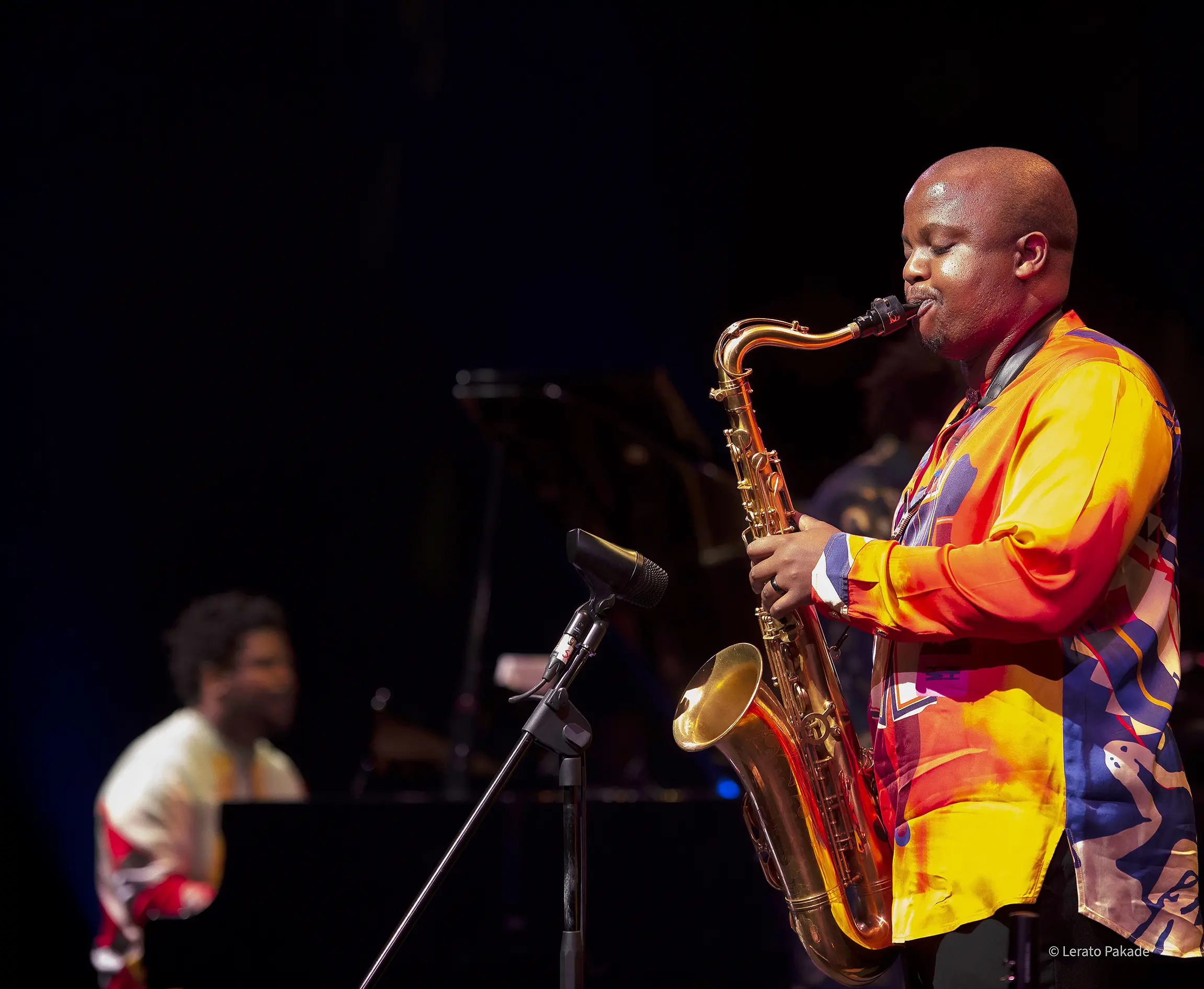
From Soweto roots to international acclaim with Urban Village and collaborations with Msaki, multi-instrumentalist Tubatsi Mpho Moloi discusses his genre-defying music journey…
An impromptu 1,200km weekend dash from Johannesburg to Durban puts the new Leapmotor B10 Hybrid EV to the test, proving that electric refinement and spontaneous road trips can…
Despite progressive laws and decades of research, intimate-partner femicide is rising again in South Africa. Research presented in Cape Town reveals that saving women requires…
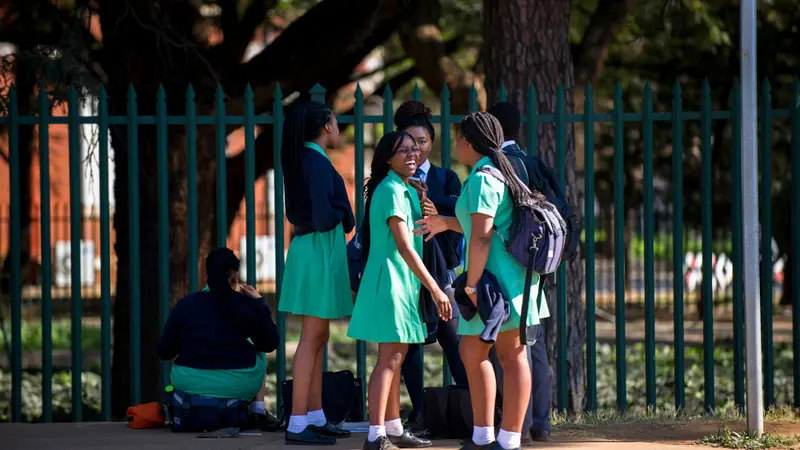
There is no curriculum or rubric for belonging, yet fostering connection and individuality is the most vital lesson an educator can deliver in the classroom.
Steven Bartlett's decision to list his Bishopscourt mansion for R189m—nearly double what he paid two years ago—sparks vital questions about foreign capital and property pricing…
BEYOND THE SCORE PODCAST - EPISODE 3
BROUGHT TO YOU BY CARLOS
Assistive technology is essential for education, employment, and independence, yet millions across South Africa and the continent face severe access and affordability barriers.
Despite recent global criticism over low-altitude stadium passes, South Africa's proud tradition of precision flyovers reflects decades of rigorous planning, airmanship, and an exemplary safety record.
A bitter war of words has ignited between the Springboks and All Blacks after Dave Rennie questioned South Africa's scrum legality, triggering a fiery response from Rassie Erasmus ahead of the Johannesburg Test.
Three decades into democracy, South Africans still retreat into separate racial silences and stereotypes. Matuba Mahlatjie explores what we say when no one is listening.