


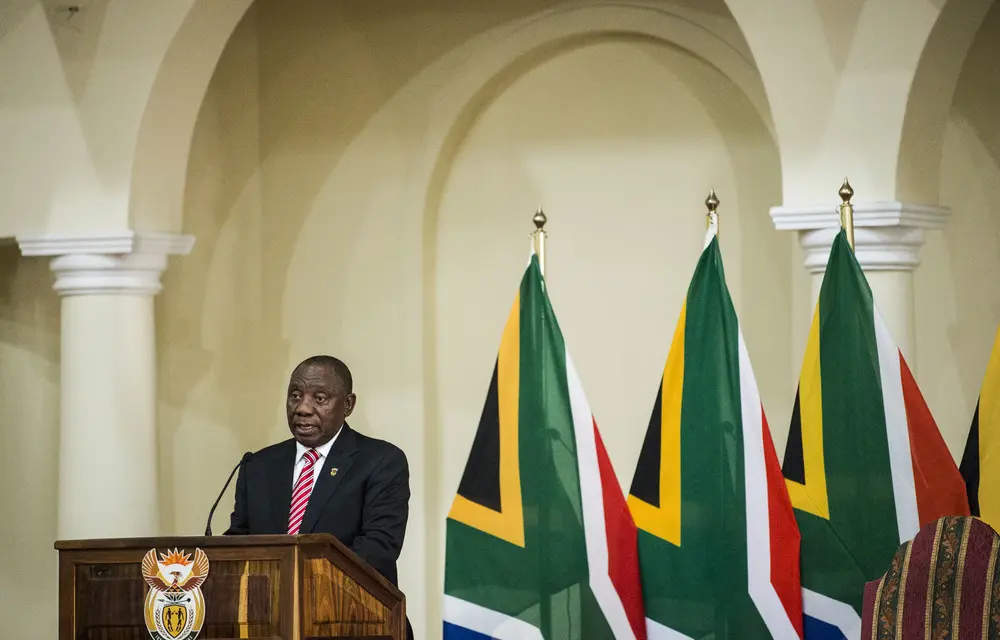
While addressing the Jafta Masemola annual lecture in Atteridgeville a few years ago, former PAC president Letlapa Mphahlele warned his fellow members that the time for obsession with liberation struggle slogans was over. “One settler, one bullet” was impertinent; it is time for ballots, not bullets. The ballots meant they should even persuade the same settler to vote for them. In essence, he cautioned them not to diminish the slogan; our political identity, by provoking the emotions of the masses, while they are subjected to abject poverty by their own black leaders. There is a conversation to be held about political power and the role of a white man, and it has been avoided for some time in the post-colonial-apartheid South Africa. Unfortunately, it is always revisited with emotions around elections.
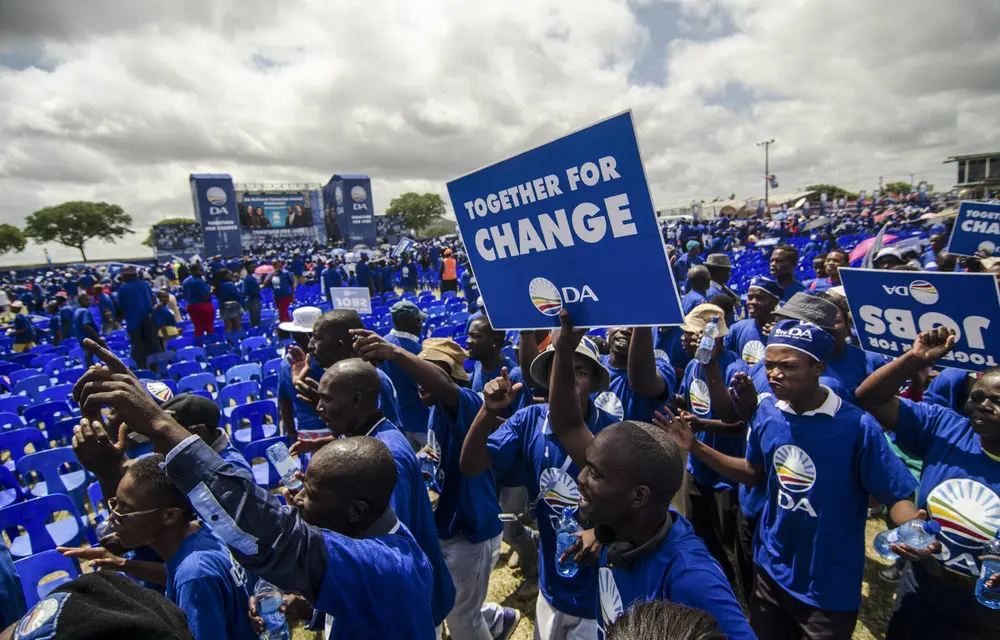
The 2026 local government election results count unexpectedly revived this discussion. The subject reared its head again after a long time, when the IEC's leaderboard showed that the blue party was leading in three cities in the Gauteng province, with particular focus on the City of Johannesburg, which was contested by Helen Zille. The discussion and questions began to lean toward fear and threats about what a white leader can do to a black township resident. The shock was that the Democratic Alliance was receiving so many votes from the black population, as opposed to the only verified vote from the white population in Orania going to the EFF. The concern about the DA receiving so many black votes affords us a platform to revisit a few important aspects of our political landscape. Those votes send a sad message about the historical and political indecorousness of the white man to politically preside over the black man after so many years of waging the liberation struggle to gain the same power that blacks are, as seen easily giving back to the white man. This is extremely worrying; rightfully so, after our martyrs have compromised so much for this power. But that leaderboard at the Results Operation Centre was not depicting a coincidence or an innocent occurrence; there is more to it than those numbers. The rejection of poor service delivery, the power of the poor, and belief in a white man.
The latter, less discussed and attended, is key in these elections. Black men believing in a white man gradually began 30 years ago, when our black leaders remained silent and comfortable spectators of scholar transport ferrying black school kids from townships and villages to white schools in towns. It never concerned them when black parents were willing to spend their hard-earned salaries entrusting a white man with the future of their kids while a black leadership was presiding over the education system. Obliquely, the belief in the education imparted by a white man was a preparation for a future white voter, developed in front of our black leaders. Given our history, particularly the 1976 Soweto uprising, it is unbelievable how a white man’s education was normalised with pride. Regrettably, it was a message: competency looks white. A quarter of a century later, it is illogical that a black parent who can trust a white man with the future of his kids should not trust a white party with the future of their country after being failed by their own black leaders. The black leaders should explain the sanctimony of why a white man is not a problem in a classroom but in a political office. Is the future of our black kids not important enough to be entrusted to a white man, but is a political power? Hypocrisy. Sadly, the same leaders have joined the masses in entrusting a white man with the future of their own kids. We know the truth; this outcry is not about a white leader in a political office but the access to that cookie jar.
The land question is another critical feature of our historical political power struggle, consistently exposing that our black leaders are prioritising political office over the genuine demands of the masses. For years, the needle has been moving slowly, and the majority of indigenous people are still waiting for the return of their ancestral land, but our leaders to date remain silent and comfortable with land still in white hands. They have not shown the same discomfort they have with the white leader presiding over the city voted for by black people. Political power and land reform go hand in hand as core liberation priorities. In South Africa, the primary productive asset is land; without access to land, the demographic dividend will never manifest and has become a liability, currently marked by unemployment, poverty, and inequality. One of the trending threats made during the results counting was about whites reversing the democratic gains and bringing back apartheid. Indeed, if our leaders have serious problems with the practices of apartheid, then land reform should have been their priority. That is where apartheid is still being fully practised under a democratic dispensation. Ironically, across the Limpopo River, there are undisputed reports that the Mnangagwa regime is in the process of compensating former white farmers, and they will return to take charge of their agricultural sector. Our black leaders, sharing a deep history of land dispossession with Zimbabwe, are nowhere to be seen. Does South Africa really have a white man problem?
It is reported that the top 10% of the white population owns over 85% of household wealth in South Africa. Our black leaders have not made the same noise on the persistence of white economic dominance and extreme wealth inequality as they do when a white leader occupies a political office. For more than 30 years, the democratic government failed to produce stable black job creators intended to hire the millions of black masses. Thirty-two years is enough time to transform the economy and allow black people to become employers of choice for their fellow black masses. Their own beneficiaries of tenders have made the livelihoods of the blacks worse. Millions of black South Africans are still employed, and they continue looking to be employed by a white man. The country is facing an unemployment crisis, and the solutions seem to be with a white man; he has the economic means and resources our black leaders are careless about. That is a total reliance on a white man. It is a shame. The economy should be transformed by now and half in black hands.

The strong return of a white party in political power needs a serious and honest reflection about building the black nation. Shockingly, in some rural areas, parties like FF Plus are starting to make serious inroads and had few black candidates; something that was never thought of in a short distance. The warmth blacks are beginning to develop towards whites as opposed to blacks is an abnormal one and demonstrates a serious betrayal by black leaders. It is scary, and if our black leaders maintain this pace, blacks should start preparing for the return of a white president in the Union Building sooner than expected.
The political bar is very low; the black middle-class voters have realised that. The black leaders have split the black votes by forming many political parties with money from the white man, claiming that they all represent black people. They accept financial support and donations from the whites, and during campaigns they criticise their funders. They are disorganised and dishonest. Perhaps it is not a bad idea that some black voters decided to give power to the source, where all this party funding money comes from: the white man.
The obsession with political power at the expense of serious liberation objectives is at the centre of what we saw at the ROC. The well-documented compounded issues of poor service delivery, corruption, incompetence, and nepotism are core factors that angered the masses into voting differently; however, there is more to it. The neglect of core strategic areas such as education, economic transformation, and land reform in the hands of whites will always render any black-representing party irrelevant. In the end, South Africans must sleep with one eye open and watch these two matters carefully: the unattended hidden white hand and the unconscious black leaders are going to be serious political problems for some time in our country.

Simion Mashego is an independent researcher and land reform expert